Mexico: Tacos, Tequila and the Day We Dance with Death
Mexico is huge. Not just in size – in culture.
It’s the birthplace of tacos, tequila, and Day of the Dead (Día de los Muertos). It’s home to ancient pyramids, mariachi music, and some of the most colorful cities on Earth.
But here’s what makes Mexico special: Mexicans celebrate everything. Birthdays, holidays, even death. Especially death.
Today, we’re going to explore four pillars of Mexican culture:
- The food (tacos, tamales, and mole)
- The traditions (Día de los Muertos)
- The ancient history (Aztecs and Mayans)
- The Spanish (how Mexicans really speak)
¡Vamos a México! (Let’s go to Mexico!)
The Food – A UNESCO Treasure
Did you know that Mexican cuisine is a UNESCO World Heritage site? Yes, really. It’s not just food – it’s an art form passed down for thousands of years.
The holy trinity of Mexican food:
| Dish | Description |
|---|---|
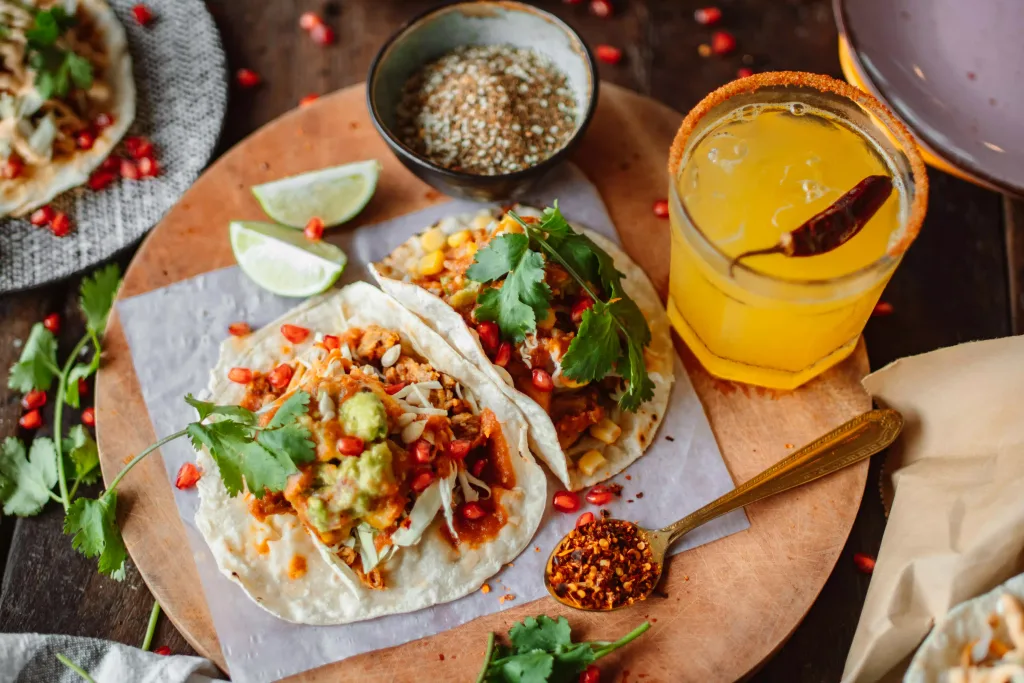
| Tacos | Corn or flour tortillas filled with everything: carne asada (grilled beef), al pastor (marinated pork with pineapple), or just beans and cheese. |
| Tamales | Corn dough (masa) filled with meat, cheese, or chili, wrapped in a corn husk or banana leaf, and steamed. |
| Mole | A thick, complex sauce made with chili peppers, chocolate, nuts, seeds, and spices. Can take 3 days to make. |
But wait – what’s the difference between Mexican and Tex-Mex?
- Tex-Mex (what you find in the US): yellow cheese, ground beef, flour tortillas, lots of cumin.
- Authentic Mexican: white cheese (queso fresco), corn tortillas, fresh salsas, no cumin overload.
One phrase to remember:
“Con todo, por favor” – With everything, please (meaning: add onion, cilantro, and salsa)
Spanish for hungry readers:
| Spanish | English |
|---|---|
| Tengo hambre | I’m hungry |
| Una orden de tacos, por favor | An order of tacos, please |
| ¿Pica mucho? | Is it very spicy? |
| Poquito, por favor | A little bit, please |
| ¡Qué delicioso! | How delicious! |
Día de los Muertos – The Day We Dance with Death
For most of the world, death is sad. Scary. Something to avoid talking about.
Not in Mexico.
In Mexico, death is a guest at the party.
Día de los Muertos (Day of the Dead) is celebrated on November 1st and 2nd. The belief is simple: the dead return to visit the living for one night.
Families build ofrendas (altars) in their homes. On the altar, they put:
- Marigold flowers (cempasúchil) – their bright orange color and strong smell guide the dead back home
- Photos of loved ones who have passed away
- Candles to light the way
- Sugar skulls (calaveras de azúcar) – colorful skulls made of sugar
- Pan de muerto (bread of the dead) – a sweet, round bread
- Favorite foods and drinks of the deceased
“Los muertos no mueren mientras sean recordados.”
“The dead do not die as long as they are remembered.”
Famous movie recommendation: Watch Coco (on Disney+). It’s a beautiful animated film about Día de los Muertos. The Spanish version is excellent for learners.
Spanish vocabulary for Día de los Muertos:
| Spanish | English |
|---|---|
| La ofrenda | The altar / offering |
| La calavera | The skull |
| El cempasúchil | The marigold flower |
| El pan de muerto | The bread of the dead |
| El difunto / La difunta | The deceased person |
| Recordar | To remember |
Ancient Mexico – Aztecs, Mayans and Pyramids
Before the Spanish arrived, Mexico was home to advanced civilizations that built pyramids, invented chocolate, and created complex calendars.
Two empires you need to know:
| Civilization | Where | Famous for |
|---|---|---|
| Aztecs (Mexica) | Central Mexico (Mexico City area) | Tenochtitlan (their capital, now Mexico City), human sacrifice, the Sun Stone calendar |
| Mayans | Southern Mexico (Yucatán) and Guatemala | Chichén Itzá, their writing system, their astronomical knowledge |
The most famous pyramid: Chichén Itzá
Located in the Yucatán Peninsula, El Castillo (The Castle) is a pyramid dedicated to the feathered serpent god Kukulcán.
Here’s the magic: During the spring and fall equinoxes, the sun creates a shadow that looks like a serpent slithering down the stairs. The ancient Mayans designed it that way. Over 1,000 years ago. Without computers.
“Las pirámides no son solo piedra. Son matemáticas hechas monumento.”
“The pyramids are not just stone. They are mathematics made into monument.”
Spanish for history lovers:
| Spanish | English |
|---|---|
| La pirámide | The pyramid |
| El templo | The temple |
| Los aztecas | The Aztecs |
| Los mayas | The Mayans |
| La serpiente emplumada | The feathered serpent |
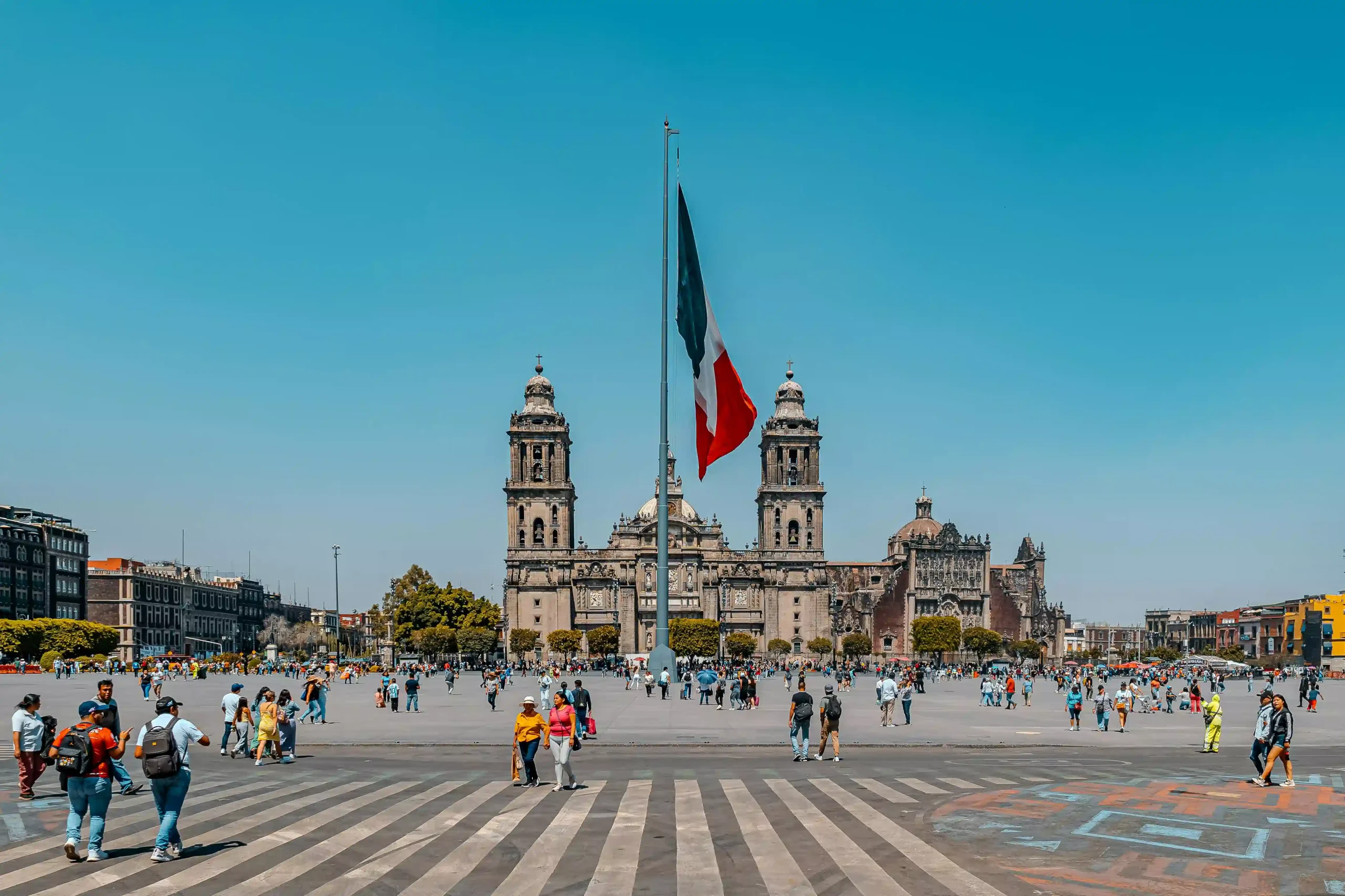
Mexico City (CDMX)
The capital is one of the largest cities in the world. It was built on top of the Aztec capital Tenochtitlan. Today, it has:
- Ancient ruins right next to a cathedral
- World-class museums (Frida Kahlo’s house, the Anthropology Museum)
- Some of the best street tacos on the planet
“La Ciudad de México no se acaba. Solo se transforma.”
“Mexico City never ends. It only transforms.”
Final words from a Mexican poet (Octavio Paz, Nobel Prize winner)
“El mexicano no quiere reírse de la muerte, sino enfrentarla. La muerte es un espejo que refleja la vida.”
“The Mexican does not want to laugh at death, but to face it. Death is a mirror that reflects life.”