Argentina: Tango, Asado and the Most Unique Spanish in the World
Argentina is not like the rest of Latin America.
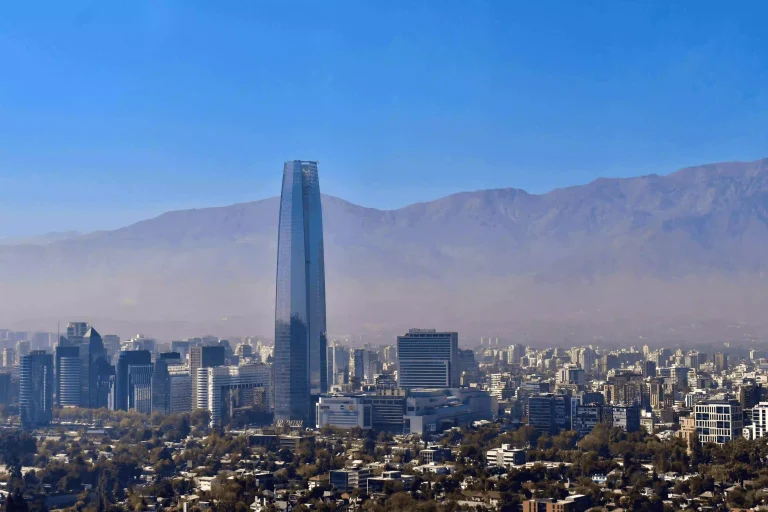
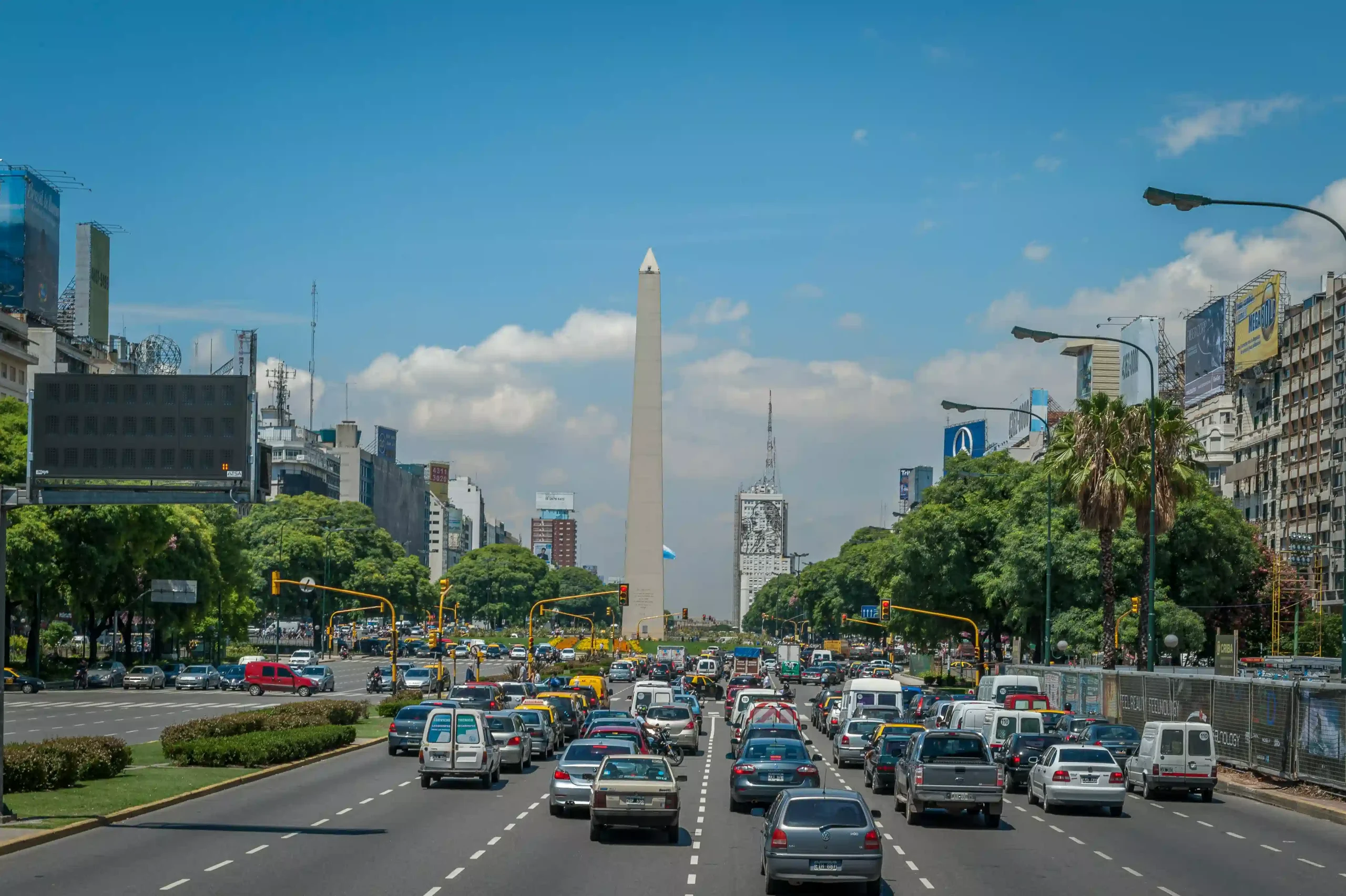
It’s a country of wide open plains (the Pampas), towering mountains (the Andes), and one of the most European cities in the world (Buenos Aires).
But here’s what makes Argentina truly unique:
- They speak Spanish with an Italian accent (because millions of Italians immigrated there)
- They use a special pronoun for “you” – vos (not tú)
- They eat more beef per person than any other country on Earth
- They dance the tango – a dance born in brothels and now loved worldwide
- And they stay up until 2 AM drinking mate (a bitter herbal tea)
Today, we’re going to explore five pillars of Argentine culture:
- The Spanish (why they say vos and sound Italian)
- The food (asado, empanadas, and dulce de leche)
- The dance (tango – passion on two feet)
- The obsession (fútbol and Maradona)
- The landscapes (from Patagonia to Iguazú)
¡Vamos a Argentina! (Let’s go to Argentina!)
Argentine Spanish – ¡Che, Boludo, Vos!
If you learned Spanish in Mexico or Spain, Argentine Spanish will surprise you. It sounds… Italian. Because it is! Millions of Italian immigrants arrived in the late 19th and early 20th centuries, and their melody mixed with Spanish.
The three biggest differences:
| Feature | Mexican/Standard Spanish | Argentine Spanish |
|---|---|---|
| “You” (singular) | Tú | Vos |
| “You are” | Tú eres | Vos sos |
| “You speak” | Tú hablas | Vos hablás (accent on the last syllable) |
Examples:
“Vos sos mi amigo” (You are my friend) – instead of “Tú eres mi amigo”
“¿De dónde sos vos?” (Where are you from?) – instead of “¿De dónde eres tú?
The “SH” sound
In most of the Spanish-speaking world, ll and *y* sound like “y” (yellow). In Argentina, they sound like “sh” (shoe).
| Word | Standard Spanish | Argentine Spanish |
|---|---|---|
| Yo (I) | “Yo” | “Sho” |
| Calle (street) | “Cah-yeh” | “Cah-sheh” |
| Playera (t-shirt) | “Plah-yeh-rah” | “Plah-sheh-rah” |
Essential Argentine slang (lunfardo):
| Argentine word | What it means | Example |
|---|---|---|
| ¡Che! | Hey! / Dude! (calling attention) | “¡Che, vení acá!” (Hey, come here!) |
| Boludo / Boluda | Dude / idiot (can be friendly or insulting – careful!) | “¿Qué hacés, boludo?” (What are you doing, dude?) |
| Pibe / Piba | Kid / young person | “Ese pibe juega bien al fútbol” |
| Plata | Money (literally “silver”) | “No tengo plata” (I have no money) |
| Laburar | To work | “Estoy laburando” (I’m working) |
| Bondi | Bus | “Tomé el bondi a las 8” |
| ¡Qué copado! | How cool! | “Tu casa es re copada” (Your house is really cool) |
The most important word: ¡CHE!
You will hear ¡che! everywhere. It’s like saying “hey” or “dude” to get someone’s attention. It’s so famous that Argentines are sometimes called “los ches” by other Latin Americans.
“Che, boludo, ¿me pasás la sal?” (Hey dude, can you pass me the salt?)
The Food – Asado, Empanadas and Dulce de Leche
Argentina is beef paradise. The country has about 55 million cows – more than the human population (46 million).
The national obsession: El Asado
Asado is not just barbecue. It’s a social event. Friends and family gather on Sundays, someone grills massive amounts of beef (often for 4–5 hours), and everyone eats, drinks wine, and talks until late..
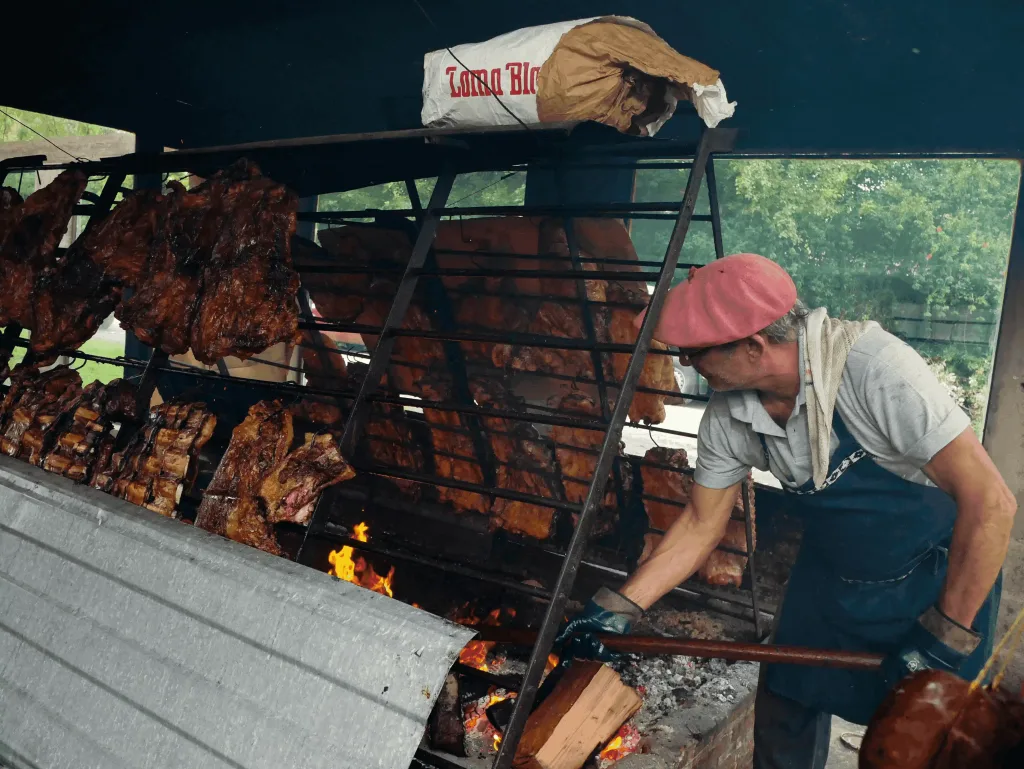
What’s on the grill:
| Cut | Description |
|---|---|
| Chorizo | Pork sausage (not the same as Mexican chorizo) |
| Morcilla | Blood sausage (don’t be scared – Argentines love it) |
| Vacío | Flank steak – juicy and flavorful |
| Tira de asado | Short ribs – the classic asado cut |
| Chimichurri | The sauce: parsley, garlic, vinegar, oregano, and red pepper flakes |
Other Argentine classics:
| Dish | Description |
|---|---|
| Empanadas | Baked or fried pastries filled with beef, chicken, ham and cheese, or corn. Every region has its own style. |
| Milanesa | Breaded and fried thin steak (like Austrian schnitzel – remember the Italian influence?) Often served with mashed potatoes or french fries. |
| Dulce de leche | Sweet, creamy caramel spread. Put it on toast, pancakes, ice cream, or eat it with a spoon (no judgment). |
| Mate | A bitter herbal tea drunk from a hollow gourd (mate) through a metal straw (bombilla). It’s a social ritual – you share one mate with everyone in the circle. |
The Dance – Tango, Passion on Two Feet
Tango was born in the late 1800s in the brothels and bars of Buenos Aires. It was a dance of immigrants – Italians, Spaniards, Africans, Argentines – all mixing their rhythms and sorrows.
For decades, tango was considered low class. The rich didn’t dance tango. But then it traveled to Paris, became a sensation, and came back to Argentina as a national treasure.
The feeling of tango
Tango is about longing, loss, and passion. The dancers embrace tightly – chest to chest – and walk together as one. There are no fancy lifts or jumps. Just intimate, powerful walking.
“El tango es un pensamiento triste que se baila.”
“Tango is a sad thought that is danced.
Famous tango songs:
| Song | Meaning | Artist |
|---|---|---|
| “La Cumparsita” | The Little Parade (the most famous tango) | Gerardo Matos Rodríguez |
| “El Día Que Me Quieras” | The Day You Love Me | Carlos Gardel (the king of tango) |
| “Por Una Cabeza” | By a Head (horse racing metaphor) | Carlos Gardel |
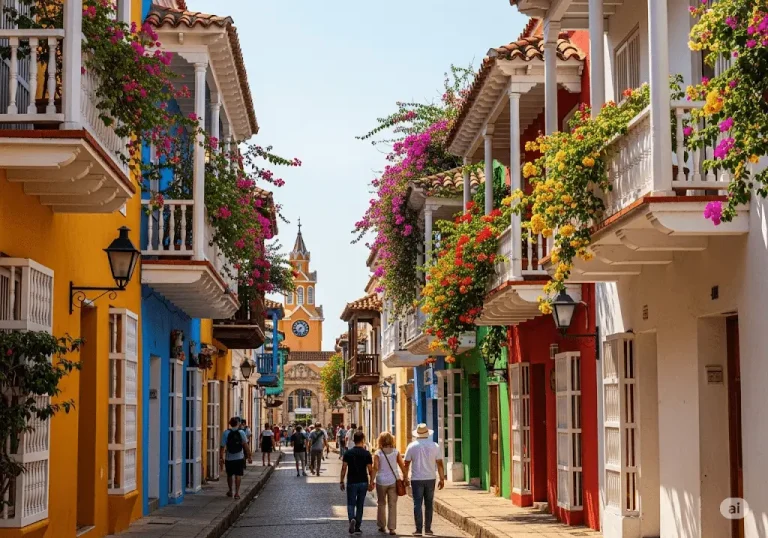
Where to see tango: The neighborhood of La Boca in Buenos Aires. The streets are painted bright colors, and couples dance tango for tourists on every corner